Preventive fire door

Protection against the development and spread of fire

Preventive fire protection

Definition and delimitation
Preventive fire protection is a sub-area of general fire protection and is also known as fire prevention. It includes all measures, methods and possibilities to prevent fires from starting and to stop them from spreading if a fire does start. The aim is to prevent people, animals and the environment from being put at risk in the first place. Legislation attaches great importance to fire prevention and regulates it in numerous laws and regulations - it affects the construction industry, public institutions and employers alike. Responsibility usually lies with building owners, public bodies or employers, but fire brigades also take on preventive fire safety tasks, such as monitoring events.
If, despite all precautions, a fire breaks out, defensive fire protection comes into play: the focus here is on extinguishing the fire quickly, rescuing people at risk and minimising consequential damage. While preventive fire protection is implemented by various responsible parties, defensive fire protection is primarily the task of the fire brigade. Effective preventive fire protection reduces the need for defensive measures and makes a decisive contribution to safety.

Preventive fire protection - Legal regulations

Preventive fire protection is therefore an important tool for preventing fires in buildings. Legislators do not want to leave anything to chance here and have made preventive fire protection an integral part of some Regulations anchored. The following passage can be found in the Model Building Code (MBO), which is the legal basis for the building regulations of the individual federal states: "Building structures must be arranged, erected, modified and maintained in such a way that the development of a fire and the spread of fire and smoke (fire propagation) is prevented and, in the event of a fire, the rescue of people and animals and effective extinguishing work are possible" (Section 14).
Preventive fire protection also plays a role in the Occupational Health and Safety Act: "The employer must take the measures required for first aid, firefighting and evacuation of employees in accordance with the type of workplace and activities as well as the number of employees" (ArbSchG § 10).
Preventive fire protection is also addressed in the Technical Rules for Workplaces (ASR). Specifically, ASR 2.2 has the following objective: "This ASR applies to the installation and operation of workplaces with fire extinguishing equipment and to other measures for detecting, alerting and fighting incipient fires." Other health and safety regulations that address preventive fire protection are ASR 1.3, which deals with health and safety labelling, and ASR 2.3, which deals with escape and rescue plans.
Additional regulations can be found, for example, in the specifications of the statutory accident insurance, which can be found in issue 205-001 of the DGUV Information on the implementation of operational fire protection measures in practice, or in the requirements of the VdS (Association of Property Insurers).

Objectives in preventive fire protection

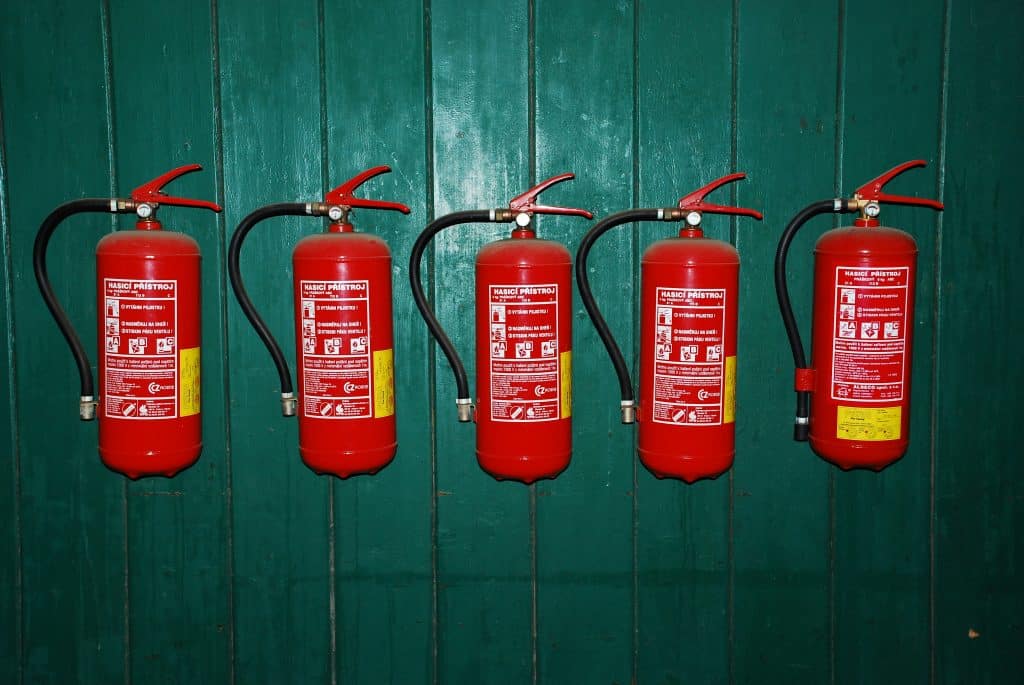
Even though it has already been mentioned several times, it should be clarified once again in this section: What does preventive fire protection aim to achieve? The answer to this is simple: to prevent fires. This includes recognising and eliminating all the risks that could lead to a fire breaking out. However, preventive fire protection also means taking preventive measures in case a fire does break out. In companies, this includes, for example, defining escape routes or providing fire extinguishers. With all the measures involved, preventive fire protection aims to protect people.
Incidentally, preventive fire protection is taken very seriously in Germany - the regulations here are stricter than almost anywhere else. Nevertheless, up to 500 people die every year as a result of fires or their consequences. This emphasises how important preventive fire protection and education about it still is.

Preventive fire protection - the three pillars

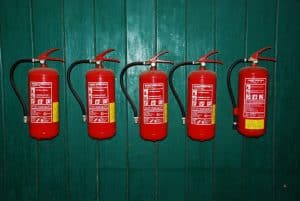
Preventive fire protection is based on three pillars: structural, technical and organisational fire protection. Structural fire protection includes measures such as fire-resistant room layouts, fireproof materials and the planning of escape and rescue routes, which must be taken into account during construction and adapted when changes are made to the building. Technical fire protection includes technical systems such as smoke detectors, fire alarm systems, sprinklers, hydrants and fire extinguishers, which must be regularly maintained. Organisational fire safety relies on the training of employees - such as fire safety officers, evacuation and fire safety assistants - who coordinate evacuations and contain fires in the event of an emergency. All three areas are interlinked and together ensure comprehensive safety.

Preventive fire protection - examples of specific measures

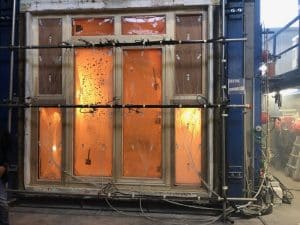
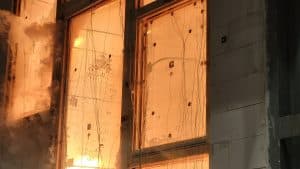
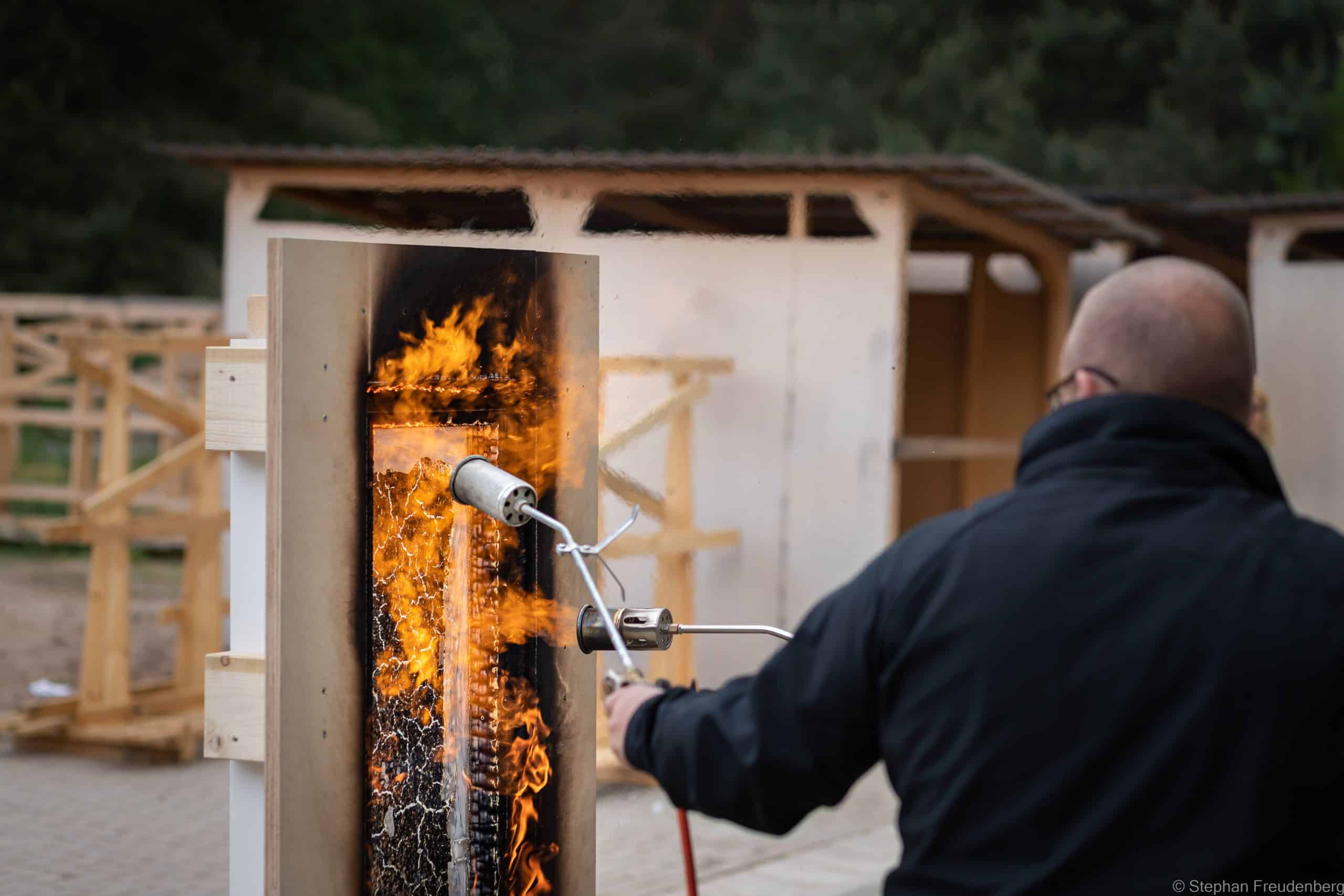
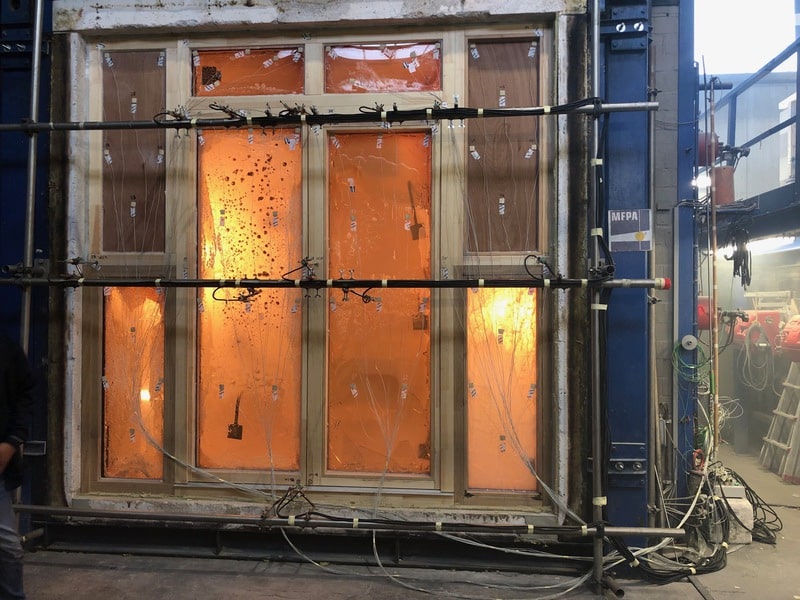
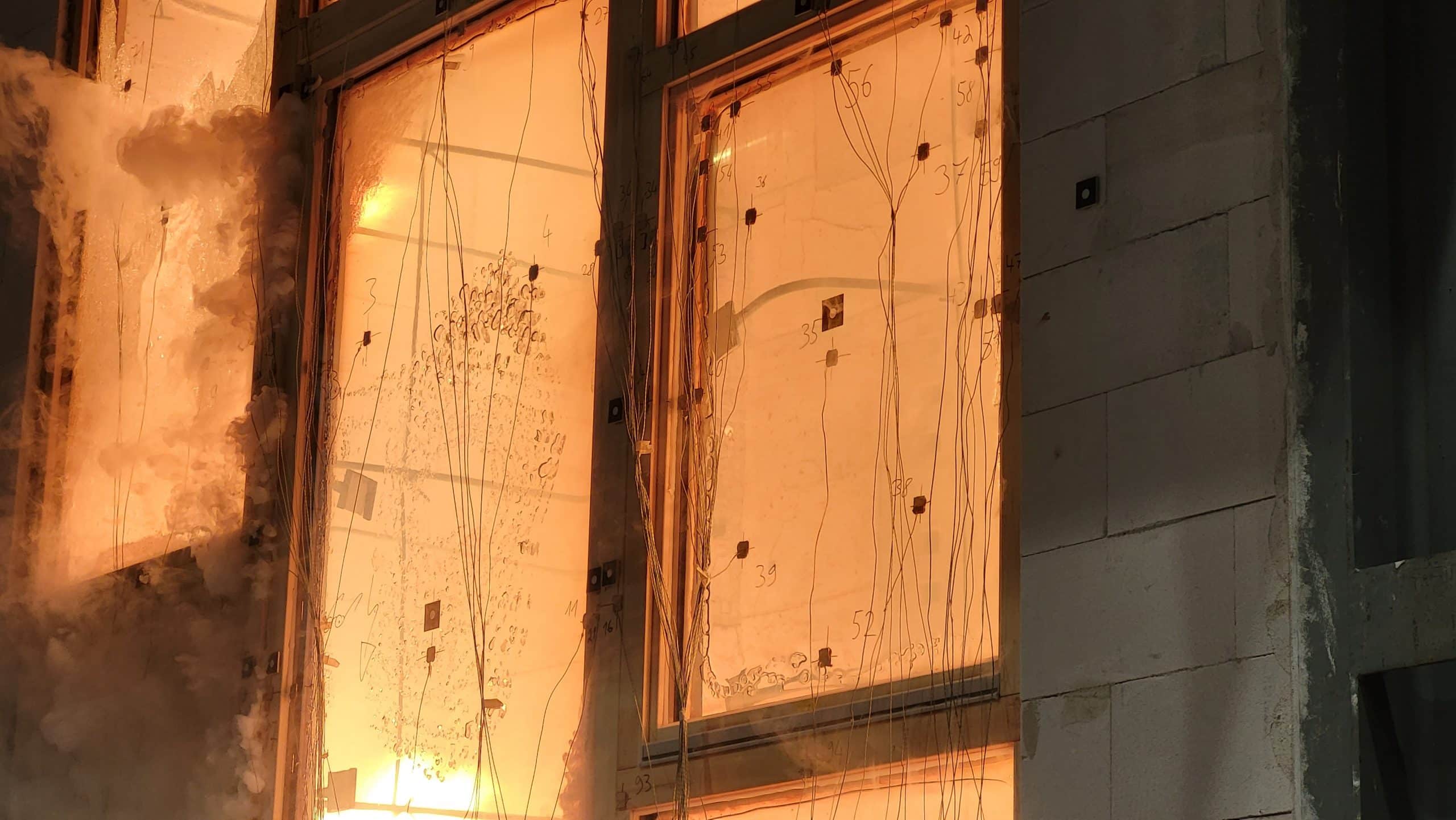
Preventive fire protection includes numerous structural, technical and organisational measures to prevent or quickly contain fires. These include fire-resistant ceilings, walls, fire-resistant glazing, special doors and coatings as well as the organisation and marking of escape and rescue routes. Technical fire protection systems include fire alarm systems, smoke detectors, sprinklers, hydrants and fire extinguishers, the maintenance and accessibility of which must be guaranteed at all times. The elimination of ignition sources, smoking bans, safe storage of flammable materials and keeping extinguishing water points clear are also important measures. Regular drills, training and the appointment of responsible persons ensure that everyone reacts correctly in the event of an emergency. In addition, preventive fire protection supports the fire brigade by ensuring clear access routes and safe access to the building.

Preventive fire protection - competence and responsibility

Preventive fire protection plays an important role in many professions and further training programmes - from specialist planners and experts to fire safety officers and fire safety assistants. Architects and engineers can qualify as specialist planners for preventive fire protection through specialised training courses and advise building owners on the implementation of statutory regulations. If you want to go even deeper, you can complete further training to become an expert in preventive fire protection and monitor the compliance and effectiveness of fire protection measures. Master's degree programmes or distance learning courses also offer the opportunity to deal comprehensively with preventive fire protection and to create individual fire protection concepts. TÜV and other providers organise numerous basic and advanced training courses and certify fire safety officers, fire safety assistants and evacuation assistants, among others. The great importance of the topic is also reflected in the large number of current vacancies for preventive fire protection on job portals.

Contact us for your next project!

FAQ on preventive fire protection

Nach oben scrollen